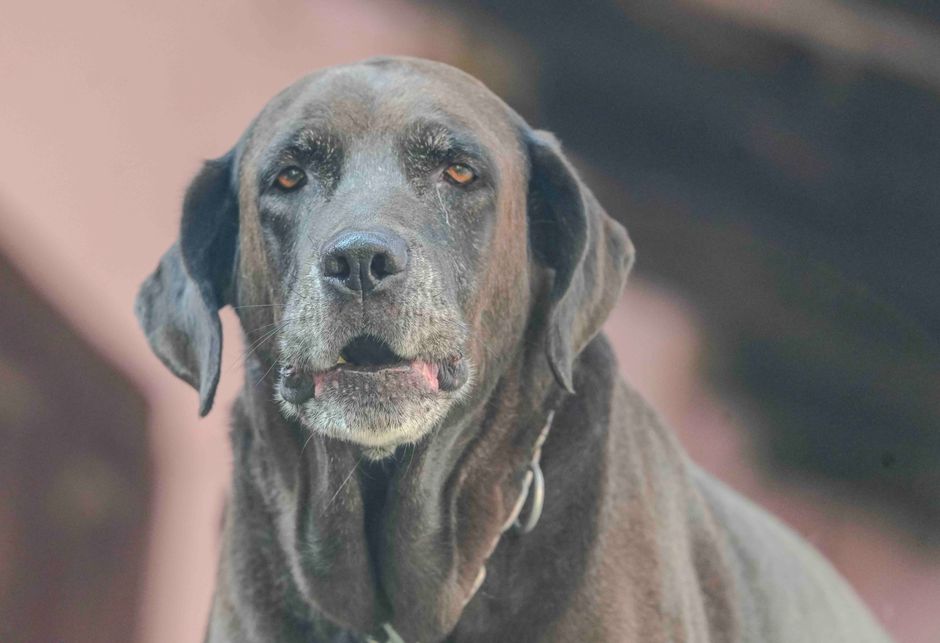
A senior dog who seems to be "ignoring" cues they've known for years is rarely being difficult. More often, something physical has changed — hearing has dulled, eyesight has narrowed, joints ache on hard turns, or stamina has dropped. Training an older dog well starts with ruling out and working around those changes before assuming it's a behavior issue. The goal at this stage isn't to teach a long list of new tricks; it's to keep the dog's mind active, preserve the skills that matter for safety and daily life, and adjust everything else around comfort.
Start With a Vet Check, Not a Training Plan
Because declining response to cues can look identical to hearing loss, vision changes, pain, or early cognitive decline, any noticeable drop in a senior dog's responsiveness deserves a veterinary conversation before more training is layered on. Pushing a dog to "listen better" when the real issue is pain or sensory loss doesn't just fail to help — it can add frustration and anxiety for a dog who is already struggling to understand what's being asked.
Adjusting for Hearing Loss
Many senior dogs lose hearing gradually, often starting with higher-pitched sounds. Transitioning a dog from a verbal cue to a hand signal while hearing is still partial makes the switch far smoother than waiting until hearing is mostly gone. Pairing the existing verbal cue with a clear hand signal for a few weeks, then gradually fading the verbal cue, lets most dogs make the transition without confusion or distress.
Useful hand signals to build early
- A raised palm for "sit," introduced well before hearing loss becomes significant.
- A flat hand lowered toward the ground for "down."
- A beckoning hand motion paired with stepping back for recall.
- A tap on the thigh or floor (felt through vibration) to get attention at close range.
Adjusting for Vision Changes
Dogs with declining vision rely more on scent, sound, and familiar layouts. Keeping furniture and walking routes consistent, using a verbal marker word before touching the dog unexpectedly, and relying more on auditory or scent cues than visual hand signals all help a dog with limited sight continue to learn and feel secure. Training sessions should happen in good, even lighting whenever possible, since contrast and glare affect many aging eyes more than dimness alone.
Adjusting for Mobility and Joint Comfort
Cues that involve sitting, lying down, or quick direction changes can become physically uncomfortable for a senior dog with arthritis or other joint issues. Rather than dropping these cues entirely, many owners adapt them: a "sit" can be rewarded as a slower, more supported motion, or swapped for a stand-stay if sitting is painful on a given day. Exercise itself should shift toward shorter, more frequent walks on forgiving surfaces rather than long or high-impact sessions, and mental enrichment — scent games, puzzle feeders, slow sniff walks — can pick up some of the work that physical activity used to do.
Pacing and Session Length
| Adjustment | Why it helps |
|---|---|
| Shorter sessions (2–5 minutes) | Matches reduced stamina and focus without causing fatigue |
| Softer, chewable treats | Easier on aging teeth and gums |
| Non-slip surfaces for practice | Reduces fall risk on hardwood or tile |
| Lower repetitions, higher reward value | Keeps motivation high without physical strain |
| Flexible timing around pain flare-ups | Avoids associating training with discomfort |
Keeping the Mind Engaged
Mental stimulation matters as much as ever for senior dogs, and some veterinary sources link ongoing mental engagement to better quality of life in aging dogs. Simple nose-work games, rotating familiar cues in new combinations, and short "trick" refreshers of previously known behaviors all give a senior dog low-impact ways to stay mentally active without the physical demands of more vigorous training.
Common Mistakes
- Assuming slower responses mean the dog is being stubborn. It's frequently a sensory or pain issue that deserves a vet visit, not more repetition.
- Suddenly switching cues without a transition period. Fading a verbal cue overnight in favor of a hand signal can confuse a dog who hasn't had time to learn the new pairing.
- Pushing through pain to maintain old cues. Forcing a "sit" through joint pain teaches a dog to dread the cue, not to perform it willingly.
- Dropping training altogether "because they're old now." Mental engagement remains valuable; it just needs to be lower-impact.
- Using long training sessions to make up for reduced daily activity. Senior dogs tire faster; frequent short sessions work better than occasional long ones.
Frequently Asked Questions
How do I know if my senior dog's training issue is physical or behavioral?
A veterinary exam is the best starting point, since hearing, vision, joint pain, and cognitive changes can all look like "not listening." Ruling these out first prevents misreading a medical issue as disobedience.
Can a senior dog still learn brand-new skills?
Yes, though it may take more patience and shorter sessions. Many senior dogs enjoy learning simple new tricks as mental enrichment, as long as the skill doesn't require uncomfortable physical movement.
When should I switch my dog to hand signals?
It's easiest to start pairing hand signals with verbal cues as soon as you notice early hearing changes, rather than waiting until hearing loss is severe.
Is it normal for a senior dog to seem confused or forgetful?
Some cognitive decline is common in older dogs, similar to changes seen in aging humans. A vet can assess whether additional support, such as changes in routine or diet, would help.
Sources
- American Veterinary Society of Animal Behavior (AVSAB) — resources on canine cognitive changes with age.
- American Kennel Club (AKC) — guidance on caring for and training senior dogs.
- ASPCA — general senior dog wellness and enrichment recommendations.
- Fear Free Pets — guidance on reducing stress for aging pets during handling and vet visits.