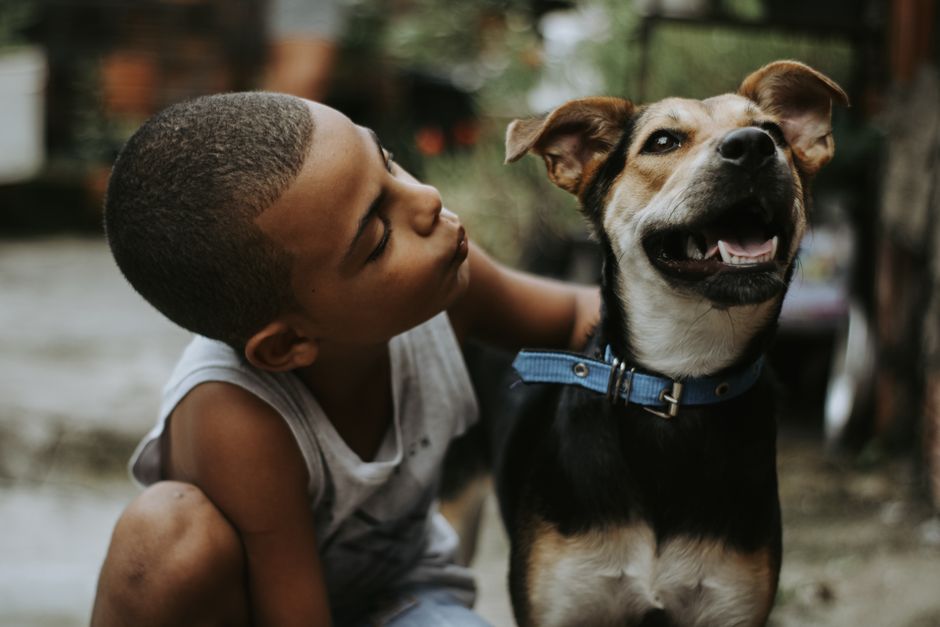
New dog owners often ask how to get a dog to "listen," as if listening were a switch to flip with the right command or tool. In practice, a dog's willingness to engage with you under distraction, pressure, or novelty is built over weeks and months of consistent, predictable interactions. Trust is the quiet infrastructure underneath every reliable behavior you'll ever teach.
What Trust Actually Means for a Dog
For a dog, trust isn't abstract loyalty — it's a practical prediction about what will happen next. A dog that trusts you believes that your presence generally predicts safety, that your hands are not going to hurt, and that your cues are worth paying attention to because something reasonable follows them. This prediction gets built through hundreds of small, repeated interactions, far more than through any single dramatic gesture.
Dogs that don't yet trust a person or situation spend mental energy monitoring for danger instead of learning. This is why a nervous rescue dog may seem "unable to learn" a simple cue at first; the issue usually isn't intelligence, it's that trust hasn't been established enough for the dog to relax into learning mode.
How Trust Is Actually Built
Predictability
Dogs read patterns constantly. If your reactions to the same behavior vary wildly from day to day, your dog cannot build a reliable prediction about you, which slows trust. Predictable routines around feeding, walks, and handling give a dog a stable baseline to relax into.
Letting the Dog Choose
Allowing a dog to approach, sniff, and disengage on its own terms — rather than being physically moved into position — builds a sense of control that reduces overall stress. This is especially important with new or fearful dogs.
Following Through Gently
If you ask for something, follow through calmly rather than repeating the cue louder or escalating pressure. A dog that can predict a calm, consistent follow-through learns that cues are low-stakes and worth responding to.
Reading and Respecting Signals
Responding appropriately when a dog shows calming signals or early discomfort is one of the fastest ways to build trust, because it proves you're paying attention to the dog's side of the conversation, not just your own agenda.
A Simple Trust-Building Routine
- Keep daily feeding, walk, and rest times roughly consistent for at least a few weeks.
- Let your dog initiate contact during calm moments rather than always reaching for them first.
- Pair your presence with low-pressure positive experiences: quiet praise, a favorite toy, a gentle scratch where the dog likes it.
- Avoid surprising your dog physically, especially around the head, paws, or tail, until a handling history has been built.
- Notice and respond to small signs of stress rather than pushing through them to finish a task.
Trust Versus Control: A Quick Comparison
| Control-Based Approach | Trust-Based Approach |
|---|---|
| Relies on the dog's fear of consequences | Relies on the dog's confidence in outcomes |
| Breaks down under distraction or stress | Holds up better under distraction because the relationship is stable |
| Requires escalating pressure over time | Requires consistency, not escalation |
| Can suppress visible behavior without resolving stress | Addresses the dog's underlying comfort level |
Why Household Consistency Matters Here
Trust gets undermined quickly when household members send mixed signals — one person allows a behavior that another corrects. Dogs can't reconcile contradictory rules the way people can, so this inconsistency reads as unpredictability. Our guide on aligning household training rules covers how to get everyone on the same page, and it pairs directly with the ideas here. Mental engagement matters too; dogs who get adequate mental enrichment are generally less stressed overall, which makes trust-building interactions land more easily.
What Erodes Trust Quickly
Trust is built slowly but can be set back fast. Sudden, unpredictable corrections; forcing a dog into physical contact it's trying to avoid; or repeatedly ignoring clear signs of discomfort all chip away at the prediction a dog has built about you. Even well-meaning actions, like scooping up a nervous dog to "comfort" it during a stressful moment, can backfire if the dog experiences it as a loss of choice rather than reassurance. The good news is that a single setback rarely undoes weeks of consistent, trust-building behavior; what matters more is the overall pattern over time, and returning to predictable, low-pressure interactions after a rough moment tends to repair things faster than owners expect.
Common Mistakes
- Assuming trust is built mainly through treats. Treats help with specific behaviors, but trust is built through consistency and respect for the dog's signals across the whole relationship.
- Forcing physical affection. Hugging, picking up, or restraining a dog that hasn't asked for contact can erode trust even when well-intentioned.
- Inconsistent reactions to the same behavior. Laughing at a jump one day and scolding it the next confuses the prediction a dog is trying to build about you.
- Expecting trust to transfer instantly to new people. Trust built with one person doesn't automatically generalize to strangers or even other household members.
- Mistaking obedience for trust. A dog can comply out of learned avoidance without actually trusting the person giving the cue; these produce very different long-term results.
Frequently Asked Questions
How long does it take to build trust with a new dog?
It varies widely by dog and history, but many owners see a meaningful shift within two to six weeks of consistent, low-pressure interaction. Dogs with a difficult past may take longer, and that's normal.
Can trust be rebuilt after it's damaged?
Generally yes, though it takes patience. Going back to basics — predictable routines, letting the dog choose contact, following through calmly — tends to rebuild trust over time, even after a setback.
Does every family member need to build trust separately?
Largely yes. A dog's trust in each person is somewhat individual, built through that person's own consistency, so it helps for every household member to follow similar handling habits.
Is trust more important than training technique?
They work together, but trust is the foundation. Even excellent technique struggles to stick if the dog doesn't trust the person applying it.
Sources
- American Kennel Club (AKC) — guidance on building a positive relationship as the basis for training.
- Humane World for Animals — resources on relationship-based, reward-focused approaches to dog training.
- Certification Council for Professional Dog Trainers (CCPDT) — standards emphasizing humane, relationship-centered training methods.
- American Veterinary Society of Animal Behavior (AVSAB) — position statements on the role of trust and welfare in effective training.