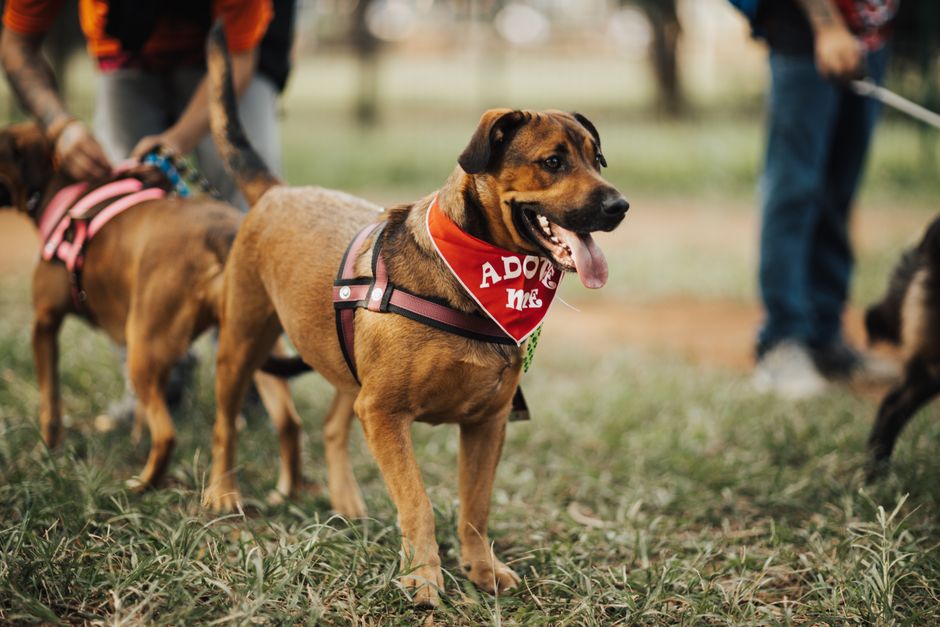
Rescue dogs arrive with all kinds of histories, and in most cases you'll only get to know that history through observation, not through a file folder. Some rescues adapt to a new home within days; others need months to feel secure enough to show their real personality. Rushing the process to match a timeline that worked for someone else's dog usually backfires. This guide lays out a gradual, practical approach to socializing a rescue dog that respects their individual pace.
Why Rescue Dogs Often Need a Different Pace
A rescue dog may have missed key parts of the puppy socialization window, experienced instability across multiple homes or a shelter stay, or simply arrived in a brand-new environment with no context for what's normal. None of that means the dog is "broken" — it means the usual socialization timeline needs to be stretched out and adjusted to what this particular dog can handle on a given day.
Start With a Decompression Period
Many shelters and rescue groups recommend an initial decompression period — often a few days to a few weeks — before introducing much of anything new. During this time:
- Keep the household routine quiet and predictable.
- Limit visitors and new people at first.
- Skip dog parks, busy pet stores, and crowded events entirely for now.
- Let the dog explore one or two rooms at their own pace rather than the whole house at once.
- Watch for what the dog seems comfortable with, rather than assuming based on breed or size.
Resist the urge to introduce your rescue dog to every friend, neighbor, and other pet in the first week. A slower start usually leads to a more stable dog later.
Building a Routine Before Adding Socialization
A predictable daily rhythm — consistent feeding times, a regular walk schedule, and a quiet space the dog can retreat to — gives a rescue dog something stable to hold onto while everything else is unfamiliar. Dogs generally handle new social experiences better once the basics of daily life feel settled, so it's worth waiting until your dog is eating normally, sleeping reasonably well, and showing some relaxed moments before adding bigger challenges like new dogs or busy environments.
Expanding the World Gradually
- Once the dog seems settled at home, introduce calm, familiar people one at a time in a low-key setting.
- Add short, quiet walks in low-traffic areas before busier streets or parks.
- Introduce one calm, known dog using the neutral-territory approach described in our guide to introducing dogs to each other safely, rather than a group setting.
- Gradually increase the difficulty: busier streets, more people, longer outings — always watching for comfort rather than pushing through discomfort.
- Save high-stimulation environments like crowded dog parks for much later, if ever, and only once your dog shows consistent comfort in calmer settings. See our guide on dog park etiquette and safety before attempting one.
- Keep a simple log of what went well and what didn't, so you can spot patterns in what helps your dog versus what overwhelms them.
Reading Stress Signals Specific to Rescue Dogs
Rescue dogs sometimes show stress in subtler ways than a dramatic growl or bark — frozen stillness, whale eye (showing the whites of the eyes), hiding, a persistently low body posture, or refusing food they'd normally take eagerly. These are all meaningful signals, not stubbornness or ingratitude. If you notice these patterns, slow down, add distance from whatever triggered them, and give the dog more time before trying again.
A Rough Timeline Guide
| Stage | Typical focus |
|---|---|
| First days to a few weeks | Decompression, quiet routine, minimal new exposure |
| Weeks 2–6 | Settling into a household rhythm, calm familiar people, short low-traffic walks |
| Months 2–4 | Gradual exposure to new people, one-on-one dog meetings, busier walks |
| Beyond month 4 | Continued, patient expansion based on the individual dog's comfort |
These ranges are general guidance, not a guarantee — some dogs move through these stages faster, others need considerably longer, and that's normal.
Common Mistakes
- Introducing too much too soon. A flood of new people, pets, and places in the first week often overwhelms a dog who hasn't had time to settle.
- Assuming a quiet or shut-down dog is "doing fine." Stillness can be a stress response, not contentment.
- Comparing the timeline to a previous dog's. Every rescue dog's background and temperament are different.
- Skipping the decompression period to get to "normal" faster. This often slows progress rather than speeding it up.
- Forcing physical affection before trust is built. Let the dog initiate contact rather than reaching in repeatedly.
- Avoiding professional help when things aren't improving. See the callout above — some situations genuinely call for in-person expert support.
Frequently Asked Questions
How long does it take for a rescue dog to "settle in"?
There's a commonly cited rough pattern of early uncertainty giving way to a more relaxed dog over weeks to months, but every dog is different. Some show their full personality within days; others take the better part of a year.
My rescue dog seems fine at home but shuts down outside. Is that a problem?
It's a common pattern and not something to panic about. Keep outside experiences short, low-key, and at a distance from anything overwhelming, and let comfort build gradually over repeated calm outings.
Should I enroll my rescue dog in a class right away?
A quiet, reward-based group class can help once the dog has had some decompression time and shows baseline comfort with calm strangers and other dogs at a distance. Jumping into a busy class immediately after adoption is often too much too soon.
What if my rescue dog never seems comfortable around other dogs?
Some dogs are simply more selective and may never enjoy large groups of unfamiliar dogs — that can be a perfectly fine outcome. If discomfort looks more like fear, panic, or aggression, see the callout above about getting in-person professional support.
Sources
- ASPCA — guidance on helping newly adopted dogs decompress and adjust to a new home.
- Humane World for Animals — resources on realistic adjustment timelines for shelter and rescue dogs.
- American Veterinary Society of Animal Behavior (AVSAB) — position statements on gradual, fear-free approaches to behavior change.
- International Association of Animal Behavior Consultants (IAABC) — guidance on recognizing stress signals in dogs with unknown histories.