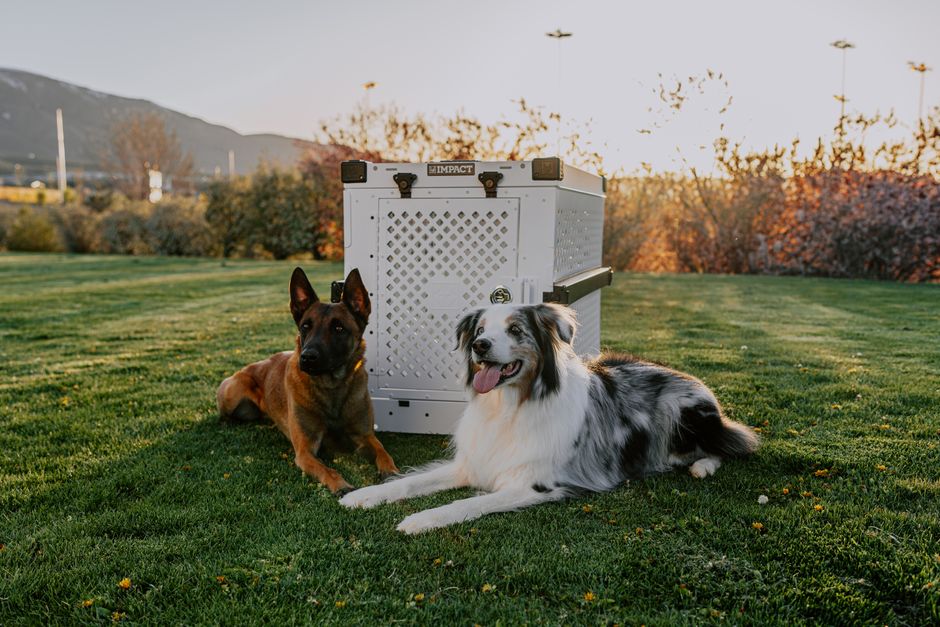
Few training topics divide new owners quite like the crate. Some see it as a cozy den; others worry it's a cage. The difference almost always comes down to how it's introduced. A crate presented thoughtfully, with time and positive association, becomes a place a dog chooses to rest in voluntarily, not a space it's forced into.
Why Use a Crate at All
A crate gives a dog a predictable, enclosed space of their own, which many dogs find genuinely comforting once they're used to it, similar to a den. It also supports safety during car travel, recovery from injury or surgery, and the early stages of house training, since most dogs are reluctant to soil a space that feels like their personal den. It's a management tool, not a disciplinary one, and that distinction shapes everything else in this guide.
Choosing the Right Size and Setup
A crate should be large enough for your dog to stand, turn around, and lie down comfortably, but not so large that there's room to use one end as a bathroom and the other as a bed. For a growing puppy, a crate with a movable divider panel lets the space grow along with them instead of buying several crates over time. Add a comfortable mat, and consider covering part of the crate with a light blanket to create a den-like, enclosed feel.
A Gradual Introduction Timeline
- Days 1-2: Leave the crate door open in a common room. Toss treats inside throughout the day so your dog wanders in and out on their own terms.
- Days 3-4: Feed meals inside the crate with the door open, building a strong positive association with the space itself.
- Days 5-7: Close the door for short periods, a minute or two, while you're in the room, then open it calmly before your dog starts to fuss.
- Week 2: Gradually extend the time with the door closed, and begin stepping out of the room briefly.
- Week 3 and beyond: Build up to full absences, starting with short errands before attempting a full workday.
This timeline is a general guide, not a strict schedule. Some dogs move through it in days; others, especially rescue dogs with an unknown history, need considerably longer at each stage.
Crate Training and House Training Work Together
Because most dogs avoid soiling their sleeping area, a properly sized crate is one of the most effective tools for house training, especially overnight. Our full guide on house training a puppy or adult dog covers how to pair a consistent potty schedule with crate time to speed up progress considerably.
What to Do About Crying or Whining
Some crying in the first few nights is normal, especially for a new puppy or a recently adopted dog adjusting to a new home. The key is distinguishing between a dog testing whether crying gets them let out, and a dog in genuine distress. If you've moved through the introduction steps gradually and the crying still escalates rather than settling after a few minutes, slow down the timeline rather than pushing through it. Reward-based groundwork, like the kind described in our positive reinforcement basics article, applies here too: the crate should always predict good things, never isolation used as a reaction to unwanted behavior.
Crate Training Mistakes vs. Crate Misuse
| Appropriate use | Misuse to avoid |
|---|---|
| Short, planned absences matched to your dog's current comfort level | Using the crate for most of the day as a substitute for exercise and attention |
| A calm, quiet retreat during a busy household moment | Putting a dog in the crate specifically as a punishment after misbehavior |
| Overnight sleeping space paired with a potty schedule | Leaving a puppy crated far longer than their bladder can realistically hold |
How Long Is Too Long
As a rough guideline, young puppies typically cannot hold their bladder much longer than their age in months, plus one hour, up to a reasonable adult maximum. An adult dog that's fully house trained can usually manage a standard workday, but regular exercise and a midday break make a real difference in comfort and behavior. This is one of several practical skills covered across our Foundations & Basic Commands category.
Common Mistakes
- Forcing a dog into the crate. Physically pushing a resistant dog inside builds fear rather than comfort.
- Using the crate as punishment. This directly undermines the safe-space association you're trying to build.
- Moving too fast through the timeline. Jumping straight to full-day absences before short sessions are comfortable often causes setbacks.
- Letting a dog out the instant they cry. This can accidentally teach a dog that crying is the fastest way out.
- Skipping the open-door phase. Closing the door too soon removes the choice that makes the space feel safe.
- Oversized crates for house training purposes. Too much space removes the natural incentive to avoid soiling the area.
Frequently Asked Questions
Is crate training cruel?
Not when it's introduced gradually and positively. A crate used as a forced, prolonged confinement without breaks is a misuse of the tool, not a fair description of crate training done well.
How long can I leave my dog in a crate during the day?
It depends heavily on age and house training progress. Puppies need frequent breaks measured in hours, not a full workday, while a well-adjusted adult dog can typically handle longer stretches with a midday break.
Should the crate be in the bedroom or another room?
Many owners, especially with puppies, start with the crate in the bedroom so nighttime potty needs are easier to notice. It can move to another room once your dog is settled and reliably house trained.
My adopted dog panics in the crate. What now?
Go back several steps in the timeline, use very short door-closed intervals, and consider consulting a certified trainer if panic persists, since some rescue dogs carry past experiences that need extra patience.
Sources
- American Kennel Club (AKC) — guidance on crate training as a management and house training tool.
- ASPCA — resources on introducing a crate as a positive space for dogs.
- Fear Free Pets — guidance on reducing stress during confinement and carrier or crate introductions.
- Humane World for Animals (formerly The Humane Society of the United States) — general crate training recommendations for new and rescue dog owners.