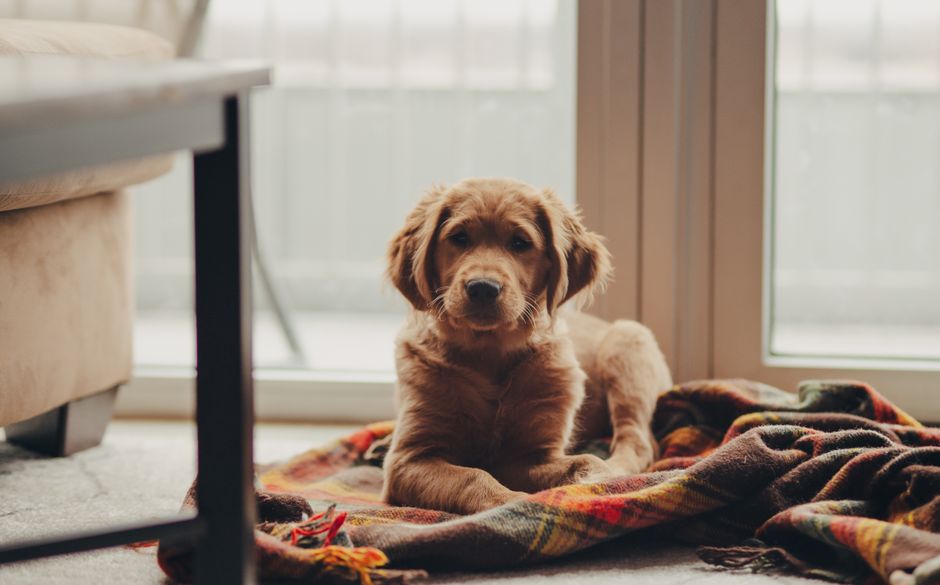
House training frustrates new owners more than almost any other early skill, mostly because it looks simple on paper but depends on dozens of small, consistent decisions every day. Whether you're raising a young puppy or helping a newly adopted adult dog adjust to a new home, the underlying method is the same: a predictable schedule, close supervision, and calm handling of the inevitable early accidents.
Why a Schedule Works Better Than Waiting for Signals
Many new owners wait for a puppy to signal they need to go outside before taking them out, but young puppies often don't give a clear signal until it's nearly too late, or at all. A schedule-based approach instead takes the dog out proactively, at the times they're most likely to need to go: first thing in the morning, after meals, after naps, after play sessions, and last thing before bed. Over time, this consistent rhythm teaches a dog's body to expect those outings, and signaling tends to develop naturally once the pattern is established.
Building a Daily Schedule
| Trigger | Why it matters |
|---|---|
| Waking up (morning or from a nap) | Bladder and bowels are typically full after sleep |
| Within 15-20 minutes after eating | Eating stimulates the digestive system fairly quickly in young dogs |
| After vigorous play | Activity often triggers the need to go |
| Every 1-3 hours for puppies, less often for house-trained adults | Prevents accidents caused simply by waiting too long |
| Right before bed | Sets the dog up for a drier overnight stretch |
Using a Crate to Support the Schedule
A properly sized crate naturally discourages a dog from soiling the space they sleep in, which makes it one of the most useful tools during this phase, particularly overnight. Our dedicated guide to crate training covers how to introduce the crate gently so it supports house training rather than becoming a source of stress.
Supervision Matters as Much as Schedule
Accidents almost always happen during unsupervised moments. Using a leash to keep a puppy tethered nearby, closing doors to limit access to other rooms, or using a playpen in a central area all reduce the chance of an accident happening out of sight, where it can't be caught and redirected in time. The goal during this early phase isn't to give a dog free run of the house; it's to slowly expand supervised freedom as reliability builds.
What to Do When an Accident Happens
- If you catch your dog in the act, calmly interrupt with a neutral sound and immediately take them outside.
- Reward generously once they finish outside, even if the accident started indoors.
- If you find an accident after the fact, simply clean it up. There's no useful training value in showing a dog an old mess.
- Clean the area with an enzymatic cleaner rather than a standard household cleaner, since lingering odor can draw a dog back to the same spot.
- Review your schedule. A pattern of accidents at a similar time of day usually points to a gap in the routine rather than a training failure.
Reward-Based Handling, Not Punishment
Scolding or punishing a dog for an accident, especially one found after the fact, doesn't teach them where to go instead, and it can create anxiety that sometimes makes house training harder, not easier. The same reward-based approach described in our positive reinforcement basics guide applies directly here: heavily reward going in the right place, and treat accidents as information about the schedule rather than a behavior problem to correct.
Adult Dogs vs. Puppies: What's Different
Newly adopted adult dogs often house train faster than puppies because their bladder control is already physically developed. Their challenge is usually unfamiliarity with a new home's routine and layout rather than physical limitation. Treat the first couple of weeks in a new home for an adult dog much like a puppy's early house training, with a consistent schedule and close supervision, even if the dog was reportedly house trained in a previous home.
How Long Does It Typically Take
Many puppies show strong, consistent progress within four to six weeks of a dedicated schedule, though full reliability, including with new environments and distractions, can take several months. Keeping training sessions short and positive, as described in our guide to structuring a training session, helps keep both you and your dog motivated through this slower-than-expected process.
Common Mistakes
- Punishing accidents found after the fact. The dog can't connect the correction to something that happened minutes or hours earlier.
- Giving too much unsupervised freedom too soon. This sets a dog up to make mistakes that are easily preventable.
- Inconsistent scheduling. Skipping outings on busy days slows progress more than owners expect.
- Using a standard cleaner instead of an enzymatic one. Lingering scent can repeatedly draw a dog back to the same spot.
- Assuming an adult dog is automatically house trained. A new environment resets some of that learning temporarily.
- Rewarding too far from the actual spot. Praise and treats should happen right where the dog went, not back inside the house.
Frequently Asked Questions
How often does a puppy really need to go outside?
As a general guide, young puppies often need a bathroom break every one to three hours, plus after meals, naps, and play, though individual dogs vary.
Is it normal for house training to take months?
Yes. Noticeable progress often comes within weeks, but complete reliability across new places and routines commonly takes several months, especially for smaller breeds.
Should I use pee pads indoors?
Some owners use them temporarily, particularly in apartments, but they can sometimes confuse a dog about whether indoor elimination is ever acceptable. If used, confine them to one consistent, clearly defined spot.
My adult rescue dog is having frequent accidents. Could it be medical?
A sudden change in house training reliability, especially in a previously trained dog, is worth ruling out with a veterinarian before assuming it's purely behavioral.
Sources
- American Kennel Club (AKC) — guidance on schedule-based house training for puppies and adult dogs.
- ASPCA — resources on house training newly adopted dogs in a new home.
- Humane World for Animals (formerly The Humane Society of the United States) — general house training troubleshooting guidance.
- American Veterinary Society of Animal Behavior (AVSAB) — recommendations against punishment for house soiling.