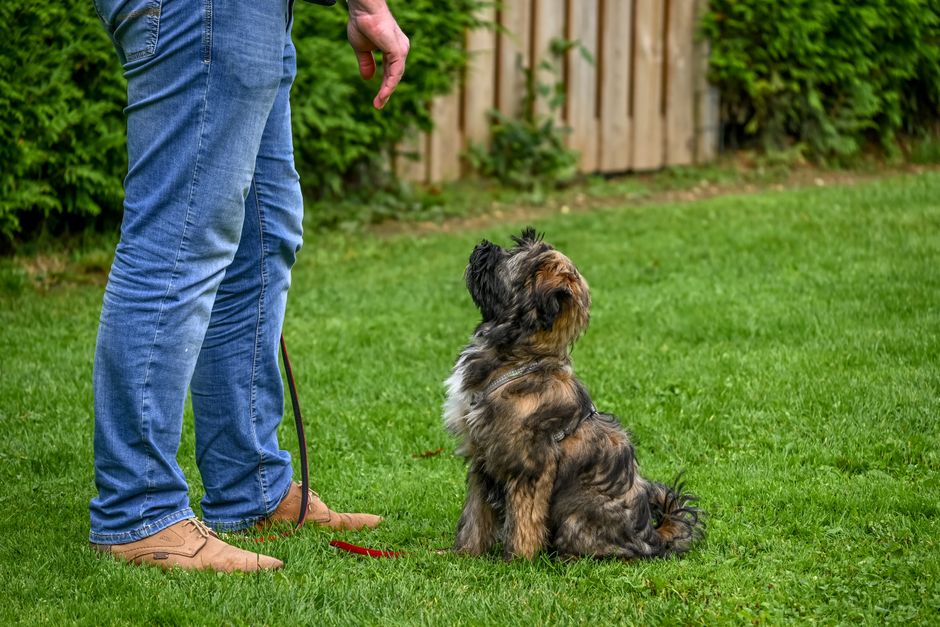
It's easy to assume that training progress comes down to which commands you teach and in what order. In practice, two owners can teach the exact same skill with very different results simply because of how their sessions are structured. Session length, number of repetitions, and how a session ends all shape how quickly a dog learns and how willing they are to engage the next time.
Why Short Sessions Usually Win
Dogs, especially puppies and adolescents, have a limited window of sharp focus before training starts to feel like drudgery rather than a game. Five to ten minutes of focused, successful repetitions typically produces better results than a twenty-minute session where the last half is spent fighting for attention. This applies whether you're working on sit, stay, and come or something more advanced; shorter, more frequent sessions almost always outperform long, infrequent ones.
How Many Repetitions Is Enough
| Training stage | Rough repetition range | Why |
|---|---|---|
| Introducing a brand-new behavior | 10-15 reps per short session | Enough to build an early pattern without causing fatigue or frustration |
| Strengthening a known behavior | 5-10 reps, mixed with other skills | Keeps the behavior sharp without becoming repetitive or stale |
| Practicing in a new environment | 3-5 reps at first | New distractions require more mental effort per repetition |
These numbers are starting points, not rules. A dog that's visibly losing focus after five repetitions needs a shorter session than one who's still eager at fifteen.
Why Ending on Success Matters
One of the most consistently useful habits in training is ending a session on an easy win rather than pushing through to a failed attempt. If your dog struggles with a harder repetition, close the session with something simple they already know well, then stop. This leaves your dog associating training time with success and confidence, which carries over into their willingness to engage at the start of the next session.
Mixing Skills Within a Session
- Start with something your dog already knows well, as a warm-up and confidence builder.
- Move into the newer or harder skill for the bulk of the session.
- If frustration builds, briefly return to an easy, familiar behavior to reset the mood.
- End with another easy win, then stop while your dog is still engaged rather than waiting until they disengage on their own.
This kind of mixed structure also naturally builds in the variable reward schedule described in our positive reinforcement basics guide, since not every repetition is equally difficult or equally rewarded.
Reading Your Dog's Energy and Focus
Not every dog needs the same session length or intensity. A young, high-energy dog might benefit from a quick burst of play before training to settle initial excitement, while an older or more anxious dog might need a calmer warm-up period. Watching for early signs of disengagement, like sniffing the ground repeatedly, looking away, or slowing responses, is more useful than sticking to a fixed timer regardless of how the dog is actually doing in the moment.
Fitting Sessions Into a Busy Day
Multiple short sessions spread across the day tend to work better than one long block, especially for skills like leash manners covered in our leash training basics guide, where real-world practice happens naturally during normal walks. A few minutes before breakfast, a few minutes during a walk, and a few minutes before bed can add up to more effective total practice than a single larger session squeezed in once a day.
When to Push Further vs. When to Stop
It's tempting to keep going when a dog is on a roll, but training sessions that run long even during a good stretch risk ending on fatigue rather than success. A good general rule is to quit a little earlier than you want to, while your dog is still enthusiastic, rather than a little later. This habit applies across virtually every skill in our Foundations & Basic Commands category.
Common Mistakes
- Training in one long daily block. Shorter, more frequent sessions generally build skills faster with less fatigue.
- Ending on a failed repetition. This leaves both dog and owner frustrated heading into the next session.
- Ignoring signs of disengagement. Pushing through a distracted or tired dog rarely produces good repetitions.
- Jumping straight to hard repetitions. Skipping the warm-up with an easy, known behavior makes sessions feel harder than necessary.
- Treating every session as all-or-nothing. A short, two-minute session is still valuable and better than skipping practice entirely.
- Using the same repetition count for every dog. Energy, age, and temperament all affect how much a session should include.
Frequently Asked Questions
How many training sessions should I do per day?
Two to four short sessions a day, spread across different times, generally works better than one long session, especially during the early learning phase of a new skill.
What if my dog loses interest halfway through?
End the session on an easy win rather than continuing. A shorter, successful session beats a longer one that ends in frustration for both of you.
Should every session include new material?
No. Mixing in already-known behaviors, especially at the start and end of a session, builds confidence and keeps motivation high.
Does session structure matter more for puppies or adult dogs?
It matters for both, though puppies typically have shorter natural focus windows and benefit the most from very short, frequent sessions.
Sources
- American Kennel Club (AKC) — guidance on session length and repetition for effective dog training.
- Certification Council for Professional Dog Trainers (CCPDT) — professional standards on session planning and pacing.
- International Association of Animal Behavior Consultants (IAABC) — general guidance on reading a dog's focus and engagement during training.
- Fear Free Pets — resources on keeping training sessions low-stress and positive.