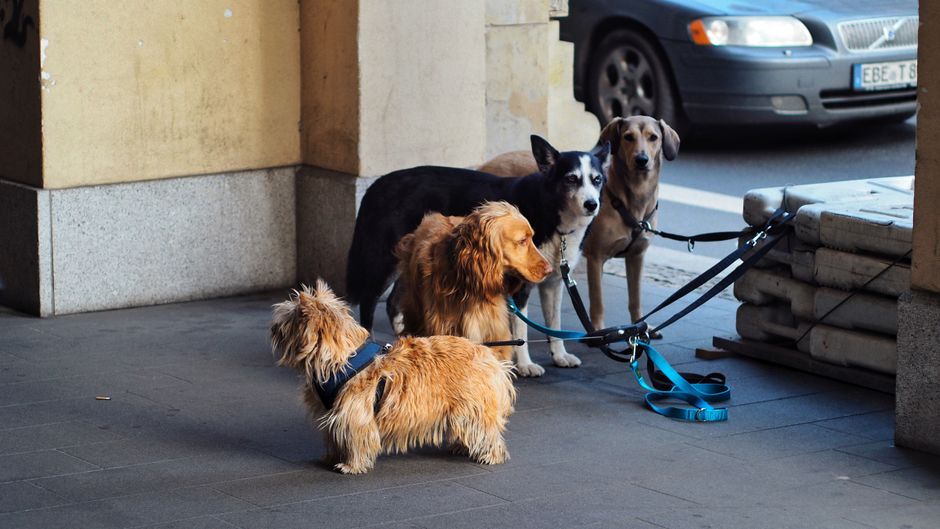
Few things sour a daily walk faster than a dog that drags you down the block at the end of a taut leash. The good news is that loose-leash walking is a learnable skill, not a matter of a dog's size or temperament. It just takes the right setup and a method that rewards the dog for staying near you instead of only reacting once the leash goes tight.
Starting With the Right Equipment
Before any training begins, it's worth confirming your equipment isn't working against you. A collar that a dog can back out of, or a harness that encourages pulling by design, makes the whole process harder than it needs to be. For a side-by-side look at how collars, harnesses, and head halters compare, see our equipment guide on training tools explained. As a general rule, a well-fitted front-clip harness gives most owners the most control with the least physical strain, while a back-clip harness is comfortable for dogs that already walk fairly politely.
How Dogs Learn to Pull in the First Place
Pulling is almost always accidentally reinforced. A dog pulls toward a tree, reaches the tree, and gets to sniff it — which rewards pulling. This happens dozens of times on every walk before training ever starts, which is why pulling can feel so deeply ingrained. The fix uses the same principle in reverse: a tight leash should never move the dog forward, and a loose leash should.
The "Be a Tree" Method
- Start in a low-distraction area, like your driveway or backyard.
- The moment the leash goes taut, stop walking completely and wait silently.
- When your dog turns back toward you or the leash slackens even slightly, mark it and reward, then continue walking.
- Repeat every single time the leash tightens, without exception, so the pattern stays consistent.
- Once your dog stops testing the leash in easy settings, move practice to slightly busier sidewalks.
This method is slow at first, sometimes frustratingly so, but it's consistent: dogs learn quickly that a tight leash gets them nowhere and a loose one gets them where they want to go.
Rewarding Position, Not Just Stopping Pulling
Rather than only reacting to pulling, proactively reward your dog for walking near your side before the leash ever tightens. Dropping a treat at your hip every few steps when the leash is loose teaches your dog that staying close is its own rewarding choice, not just the absence of a correction. This mirrors the broader reward-based approach described in our positive reinforcement basics guide, where you build the behavior you want rather than only suppressing the one you don't.
Handling Common Walk Distractions
| Distraction | What usually happens | What to try instead |
|---|---|---|
| Squirrels or other small animals | Sudden lunging at the end of the leash | Increase distance, reward calm attention before the lunge starts |
| Other dogs approaching | Pulling toward or away from the dog | Create space early, reward watching calmly from a distance |
| Interesting smells | Dog stops and refuses to move | Build in scheduled "sniff breaks" on a loose leash instead of fighting every stop |
| Other people | Jumping or excited pulling toward greetings | Reward a calm sit before allowing any greeting |
Short Sessions Beat Long Walks at the Start
Early leash training goes better in short, deliberate sessions rather than a full thirty-minute walk where every step is a new battle. Five or ten minutes of focused practice, several times a day, builds the habit faster than one long outing. Our guide to structuring a training session covers how to keep these short sessions productive rather than repetitive.
When to Call In Extra Help
Dogs that lunge aggressively at people or other dogs, rather than simply pulling out of excitement, are showing a different kind of problem than basic leash manners. That pattern is worth discussing with a certified trainer or veterinary behaviorist rather than working through alone, since it often involves fear or frustration rather than a lack of leash skills. This article focuses on everyday pulling, which fits squarely within our Foundations & Basic Commands category.
Common Mistakes
- Letting the dog move forward on a tight leash sometimes. Even occasional exceptions keep the pulling habit alive.
- Yanking the leash as a correction. This can create discomfort and anxiety around walks without teaching an alternative behavior.
- Only practicing on actual walks. Driveway and backyard practice builds the skill with far less pressure.
- Using a retractable leash during training. The constant slight tension makes it hard for a dog to learn what "loose" actually feels like.
- Expecting a perfect walk on day one. Loose-leash walking is a gradually built skill, not a switch that flips overnight.
- Ignoring equipment fit. A poorly fitted harness or collar can undercut even a well-run training plan.
Frequently Asked Questions
How long does leash training usually take?
Many dogs show noticeable improvement within two to three weeks of short, consistent daily practice, though dogs with a long history of pulling may take longer to fully generalize to busy environments.
Is a harness better than a collar for leash training?
For most dogs, yes, since it removes pressure from the neck and reduces the risk of injury from pulling. Some dogs still pull in a back-clip harness, in which case a front-clip option often helps.
Should I let my dog sniff during walks?
Yes. Sniffing is a normal, enriching part of a dog's walk. The goal of leash training is a loose leash, not a dog that walks in a rigid line without ever stopping.
My dog walks fine at home but pulls outside. Why?
New environments bring more smells, sounds, and movement competing for your dog's attention. Go back to shorter, easier practice sessions outdoors before expecting the same calm behavior as at home.
Sources
- American Kennel Club (AKC) — guidance on leash training equipment and loose-leash walking techniques.
- ASPCA — resources on humane walking equipment and reducing leash reactivity.
- Fear Free Pets — guidance on reducing stress during walks and outings for dogs.
- American Veterinary Society of Animal Behavior (AVSAB) — position statements on reward-based approaches to leash manners.